
Mission Statement
CIRA's mission is to provide the strongest foundation of HIV-related resources, skills, services, training, and professional networking opportunities to HIV researchers and practitioners who can contribute to advances in HIV prevention and treatment, specifically, and health equity, in general.
Overview
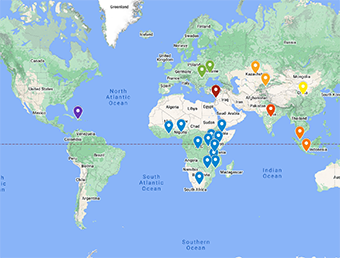
The Center for Interdisciplinary Research on AIDS (CIRA) was established in 1997 and is currently New England's only National Institute of Mental Health (NIMH) funded AIDS research center. CIRA integrates and operates from a highly supportive and interdisciplinary research environment, that provides opportunities for innovation and collaboration. Our affiliates come from 11 different departments throughout Yale and represent 16 different disciplines, allowing CIRA affiliates to receive exposure and training from different methods and theoretical paradigms that can add breadth, complexity, and innovation to the research and scholarship that we do (e.g., >90% of grants and papers have contributors from 3 or more disciplines). Further, there are a wealth of Centers around Yale with synergistic interests that provide additional support and impact to the work that we do.
Specific Aims
- To equip HIV researchers and practitioners with research tools to eliminate HIV-related disparities, promote HIV equity, and conduct research grounded in principles of social justice.
- Expand scientific networks and knowledge on health equity related to status neutral HIV-related care and its comorbidities of mental health and substance use focusing on small urban areas, through our robust network of CIRA affiliates (e.g., scientists, current and former fellows, trainees, and collaborators).
- Develop the next generation of HIV equity researchers, with an emphasis on reducing both HIV and academic inequities and expanding our role as a major training center for scientists from historically marginalized populations.